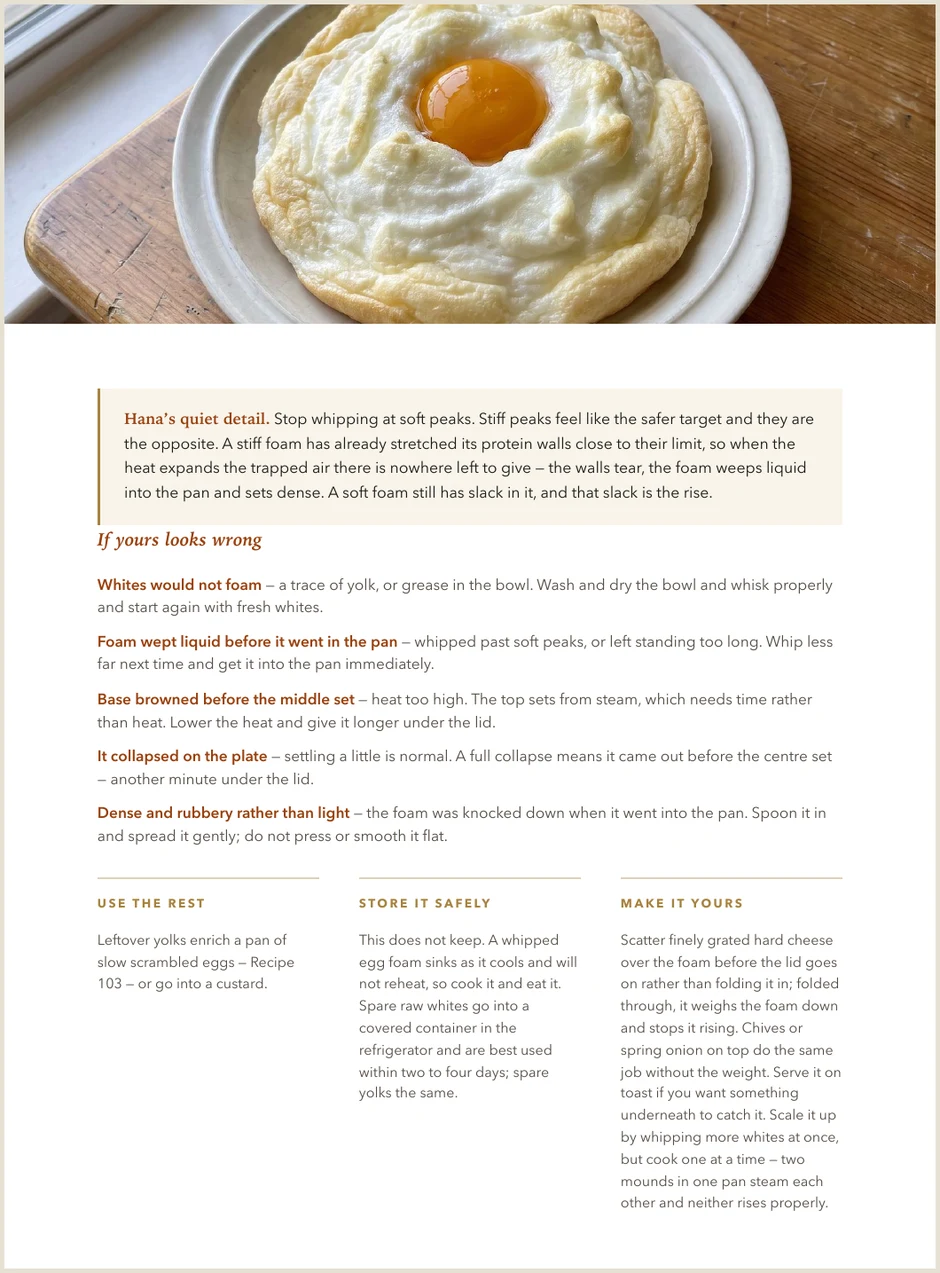
161 recipes, photographed
Every recipe gets a full spread and its own photograph, built the same way each time — what you need, how to make it, and what to do when it goes wrong.
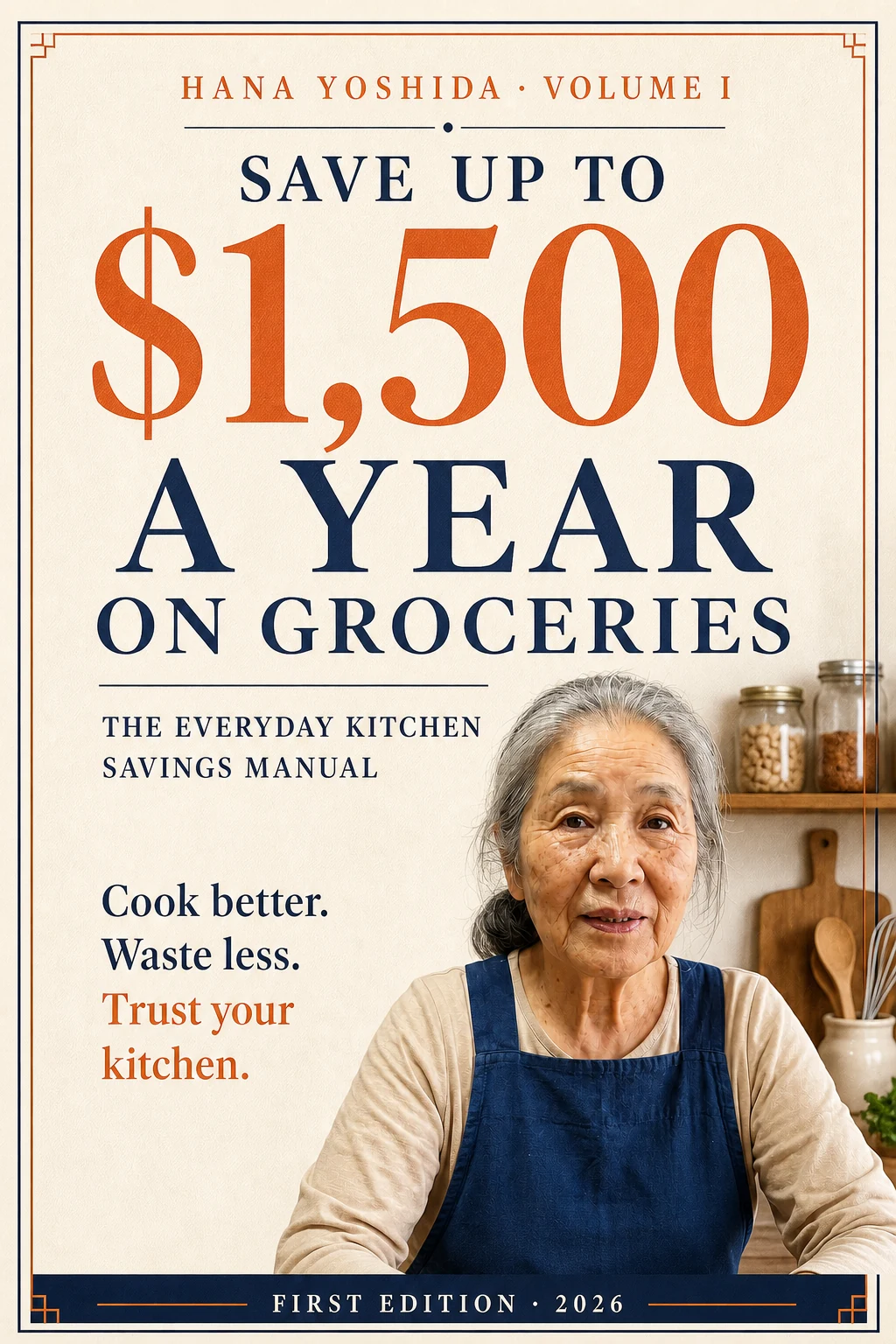
The cover
Hana Yoshida · Volume I
Cook Better,
Waste Less
Save $1,500–$4,000 a year on groceries and takeout using the methods my mother and grandmother taught me in Japan, applied to American cooking. When something goes wrong mid-pan, the index at the back is organised by what the problem looks like — so you can find the fix while it is still fixable.
Get the manual $27561 pages · 161 recipes · 200 kitchen fixes
Does the fish stick to the pan and come apart? Does the rice go gummy every time? Does something in the back of the refrigerator go soft before anyone remembers it is there? Most kitchen waste is not carelessness. It is a handful of small decisions nobody ever explained.
In Cook Better, Waste Less, Hana Yoshida writes those decisions down — when to salt, when to wait, when to leave a thing completely alone. Each one is small. Together they are the whole difference.
Every recipe gets a full spread and its own photograph, built the same way each time — what you need, how to make it, and what to do when it goes wrong.
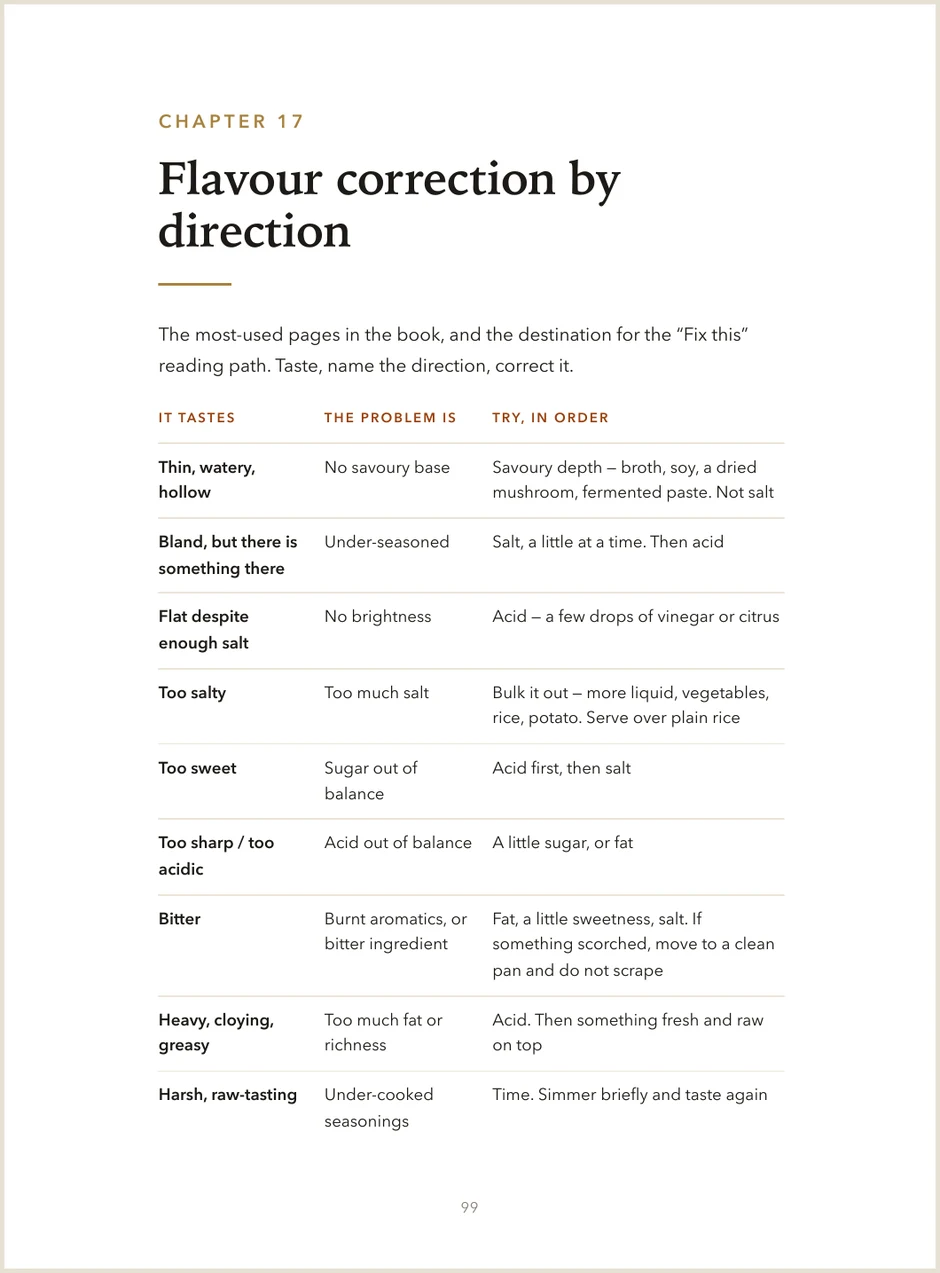
The small methods that decide the result. Why a wet surface steams and a dry one browns. Why food releases from the pan by itself. Why salt ten minutes early changes everything.
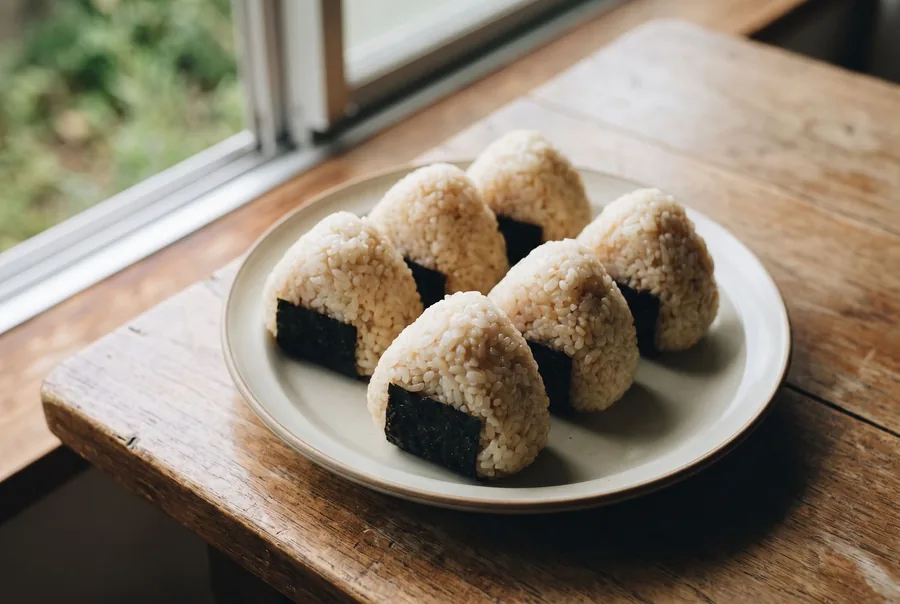
Burgers, fried chicken, chowder, mac and cheese, roast turkey — the dishes you already cook, each improved by one Japanese technique.
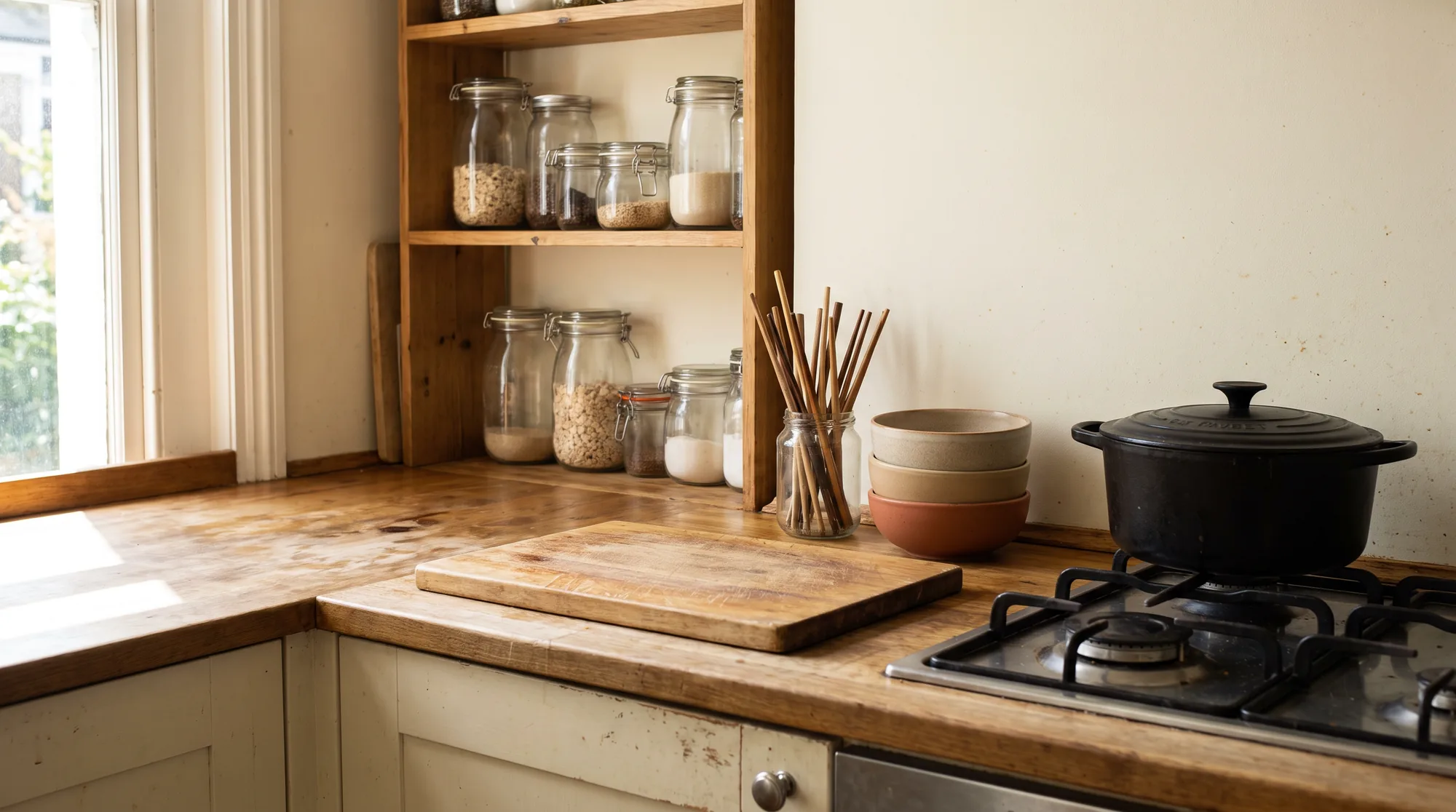
What to actually use on grease, boards and drains, which products never go in the same bucket, and how to keep pantry moths and ants out for good.
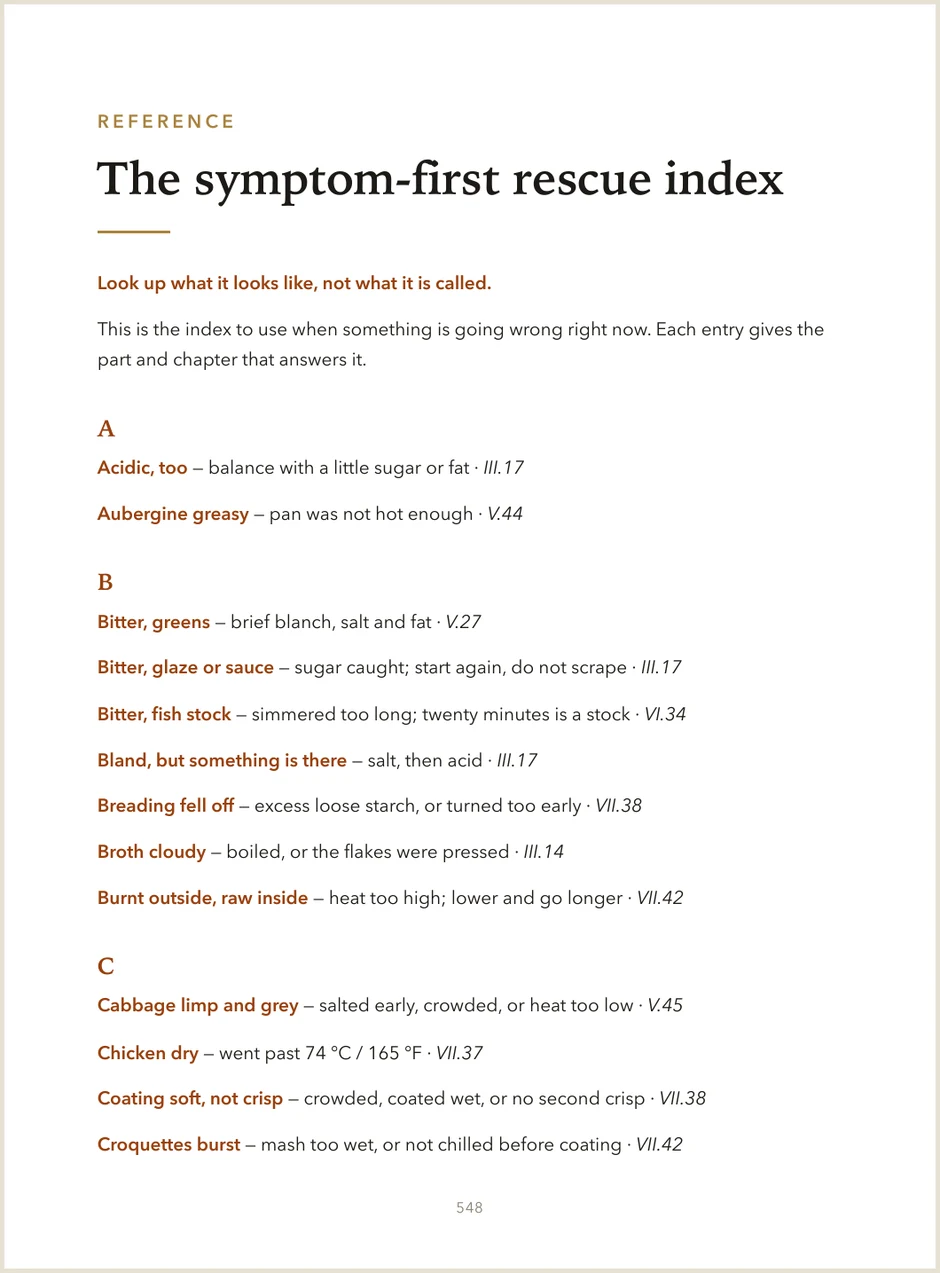
A rescue index organised by what the problem looks like — soggy, dry, split, bland, over-salted — not by what the dish is called.
Twelve years of small corrections, written down once.
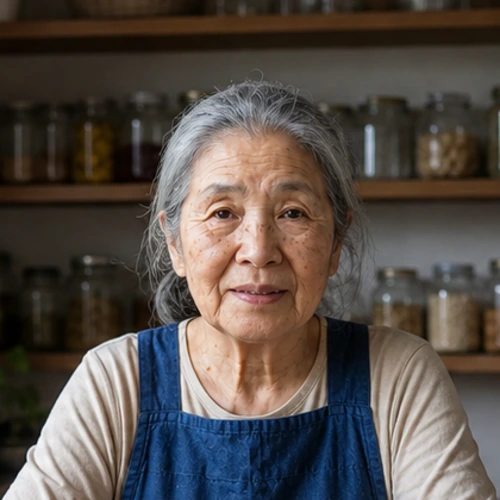
A note from Hana
You are not missing talent. You are missing a handful of small decisions that nobody ever explained. This ebook is those decisions, written down.
It is not something to read from beginning to end, though you can. It is something to keep on the phone by the stove and open when something has gone wrong, or is about to.
— Hana
First edition · 2026
Cook Better,
Waste Less
A 561-page ebook. 161 recipes, 200 fixes. One download, yours to keep and to print.
Get the manual $27A 561-page illustrated PDF — 161 recipes each with its own photograph, 200 numbered kitchen techniques, a symptom-first rescue index, a printable temperature and storage card, and a substitution matrix. It downloads immediately after checkout.
No. The method is Japanese; the food is mostly what an American kitchen already cooks. There are burgers, fried chicken, chowder, mac and cheese, tacos and a holiday turkey alongside the rice and the miso. Where a Japanese ingredient is genuinely necessary it is named in plain English first, with an honest substitution where one exists.
It is written for the opposite. Every recipe teaches by cue rather than by clock — what it should look, sound and feel like — because your pan is not my pan. Each one ends with a section on what to do when yours looks wrong.
Three things genuinely change results: an instant-read thermometer, a sharp knife and a kitchen scale. Everything else in the ebook can be done with one heavy pan, one saucepan with a lid, a strainer and a bowl.
Yes. It is set at 7 × 9.5 inches and prints cleanly, and the temperature card and rescue index are designed to be printed on their own and kept in a drawer.
Email within 7 days and you get your money back. No form to fill in.
Where the safety limits come from
Every temperature and storage limit in this ebook comes from the USDA, FDA and CDC.
Cook to temperature, not to colour